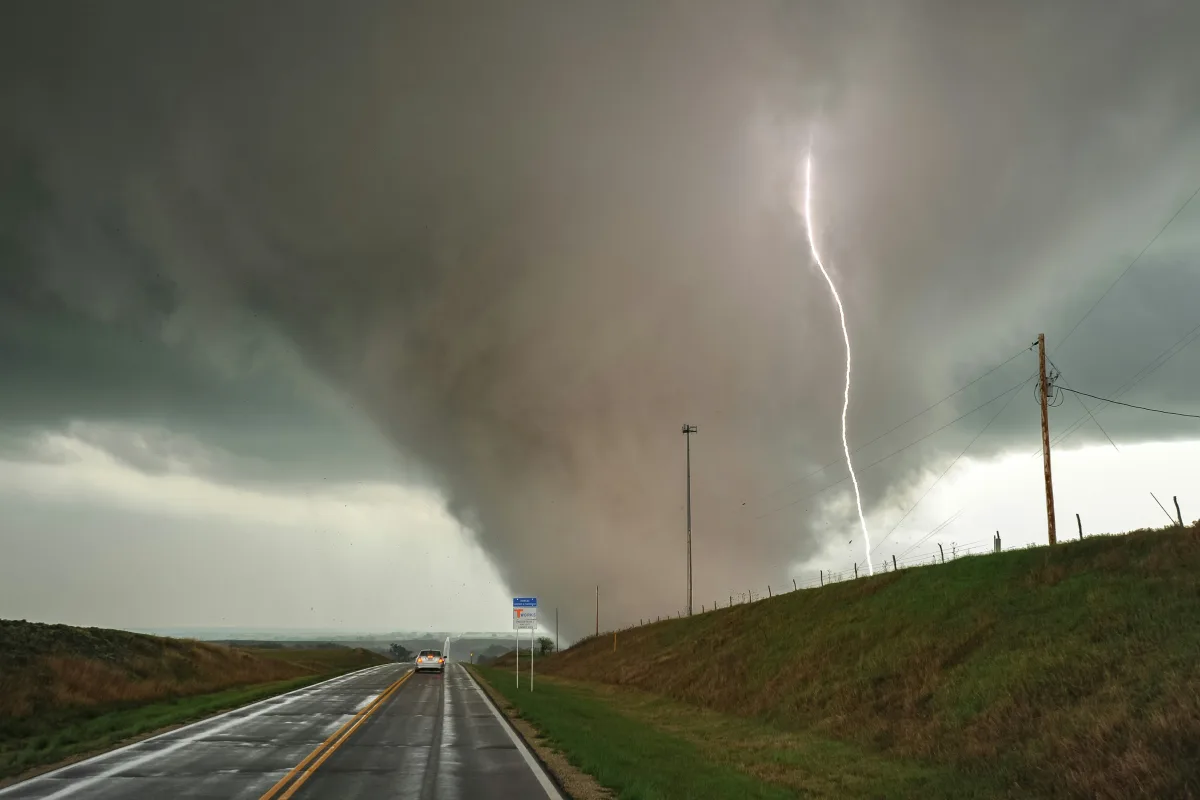
Tornado predictions 2026: season timing, where tornadoes strike, and peak months by state

A tornado is a violently rotating column of air extending from a thunderstorm to the ground. The United States records more tornadoes than any other nation, with the National Oceanic and Atmospheric Administration (NOAA) tracking official reports through its Storm Prediction Center. NOAA publishes a preliminary tally within days of an event, followed by a fully reviewed official record months later after duplicate reports are filtered and ground surveys are completed.
When is tornado season?
Tornado season in the United States peaks in spring. April, May, and June account for slightly over half of all tornadoes annually, with May being the single busiest month, averaging nearly 270 tornadoes based on NOAA Storm Prediction Center data from 1991 to 2020.
Unlike the Atlantic hurricane season (which is defined formally as June 1 through November 30), tornado season has no official start or end date. The term simply describes the months when reports cluster, though tornadoes can and do occur in every month of the year.
A secondary, smaller severe weather window opens in late fall from roughly November through mid-December, primarily affecting the Southeastern United States.
Where do tornadoes occur?
Tornadoes occur most frequently across the central and southeastern United States, concentrated heavily within two informal corridors known as Tornado Alley and Dixie Alley. Neither region has official administrative boundaries, and published geographical maps often vary.
Tornado Alley conventionally encompasses northern Texas, Oklahoma, Kansas, and Nebraska, sometimes extending into Iowa, Missouri, and the Dakotas. Dixie Alley covers Mississippi, Alabama, Louisiana, Arkansas, and Tennessee. A key distinction of Dixie Alley is its high frequency of nighttime storms. Nocturnal tornadoes are roughly two and a half times as deadly as daytime tornadoes (Ashley, Krmenec, and Schwantes, Weather and Forecasting, 2008).
While tornadoes occur on every continent except Antarctica (with regular activity in Canada, Argentina, Bangladesh, and parts of Europe), the United States leads global activity by a wide margin at approximately 1,200 per year according to the NOAA National Severe Storms Laboratory. Because international tracking systems vary in methodology, prediction contracts settle strictly on the U.S. national figure published by NOAA.
Tornado and severe weather markets.
events · marketsFrequently asked questions.
Expert take.
Severe storms
How tornadoes and hail are measured, how severe thunderstorms form and organize, and where activity peaks by season.
When is tornado season?
Severe storm activity follows the jet stream, from the Gulf Coast in late winter to the northern Plains by June.
Where is Tornado Alley?
The classic Tornado Alley core is Texas, Oklahoma, Kansas and Arkansas, where April brings the most violent outbreaks.
More in Climate & Weather.
2026 Heat & Temperature Predictions: Hottest Year Markets
Live market prices on 2026 heat and temperature records: the hottest year, daily city highs, heat domes, Arctic sea ice, and atmospheric CO2, set against NASA, NOAA, and NSIDC data.
Pandemic Markets 2026: Bird Flu, Measles & Ebola Predictions
A large Ebola outbreak is a declared emergency that WHO says is not a pandemic. See how a pandemic actually gets declared, the record since 2000, and the live markets pricing bird flu, measles, and Ebola.
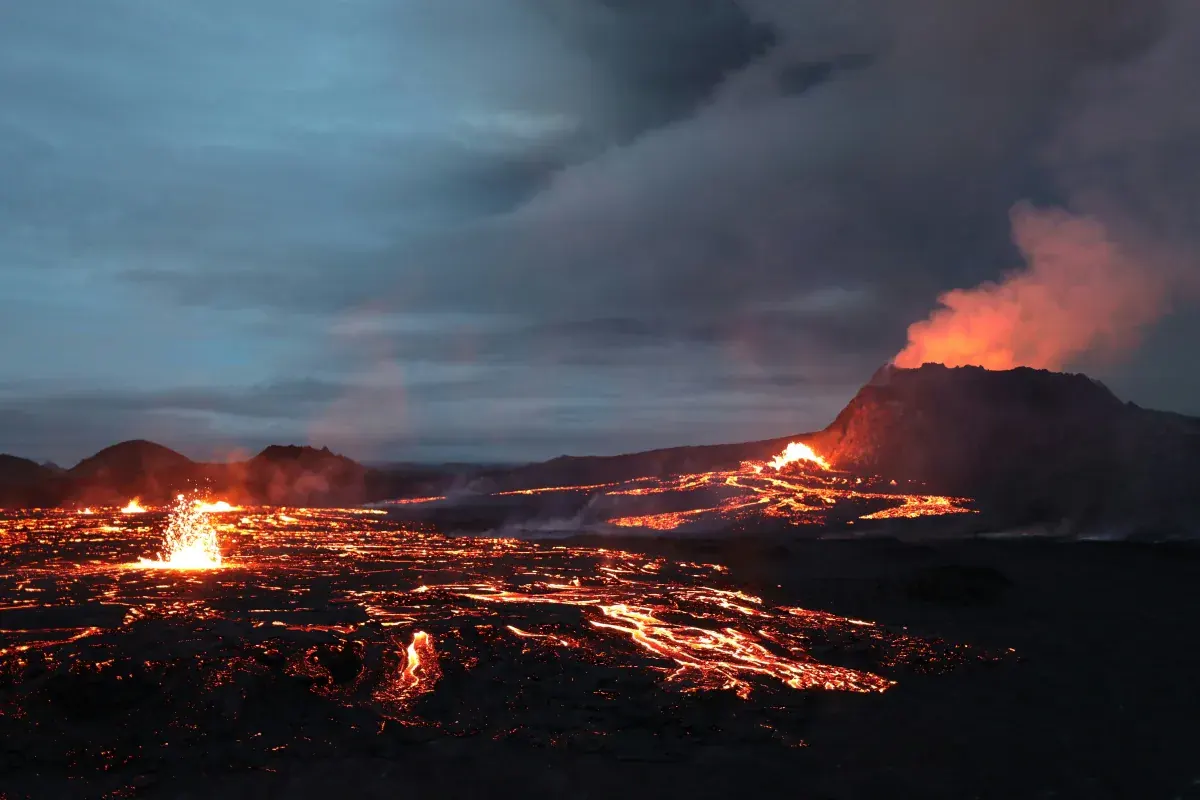
Earthquake & Volcano Predictions: Live Market Prices
Live market prices on earthquakes and volcanic eruptions, set against the science: worldwide magnitude 7.0+ counts, megaquake and regional risk, and VEI 4+ eruption markets.
Climate & Weather explainers.
Drought Basics: Types, Severity Scale and History
The types of drought, the D0 to D4 severity scale, and the worst droughts in US history.
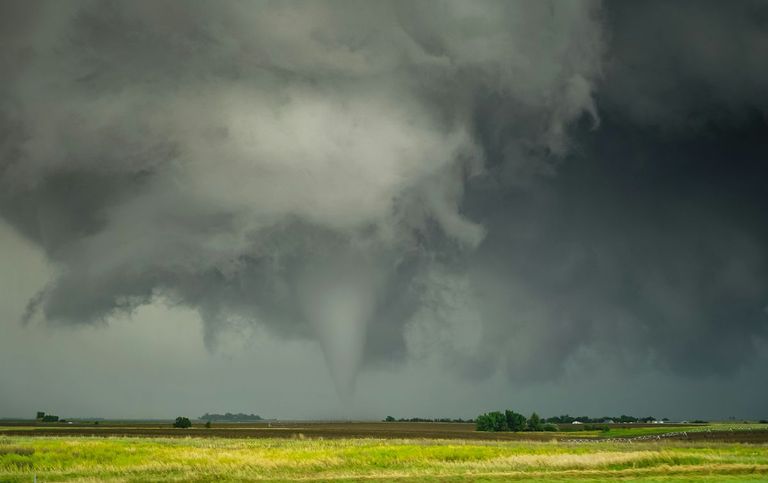
Severe Storm Basics: Tornadoes, Hail and Wind
Tornado ratings, how severe thunderstorms form, the seasonal pattern, and the records.

Earthquake Basics: Faults, Magnitude and US Risk
Faults, magnitude, the largest US earthquakes, and California's 30-year odds.